Comic-Con’s 50th
Robert A. Heinlein
Blood Drive in 2026
Comic-Con’s Robert A. Heinlein Blood Drive, San Diego Blood Bank’s largest and longest-running blood drive, was back for its 50th year in 2026, with donation areas located in Grand Hall A at the Manchester Grand Hyatt Hotel and at San Diego Blood Bank Donation Centers.
The growth of our blood drive over the years has been phenomenal. The Robert A. Heinlein Blood Drive began at San Diego Comic-Con back in 1977 at the El Cortez Hotel. That first year, 148 pints of blood were collected, and as the convention has grown, so has our blood drive.
SDBB reports this year’s Heinlein blood drive collected 16,808 pints of blood, impacting the lives of more than 50,400 patients!
In our long history, a total of 125,228 pints have been donated by Comic-Con attendees, exhibitors, professionals, volunteers, staff, and people just walking by! Donors received an exclusive Spider-Man T-shirt from Marvel, an Artist Packet from Image Comics, and Eisner-nominated comics!. They also had a chance to win one of many other special prizes donated to the blood bank by our exhibitors and staff. These special prizes were on display at the Blood Drive booth.
YOU CAN DONATE BEFORE THE 2027 CONVENTION
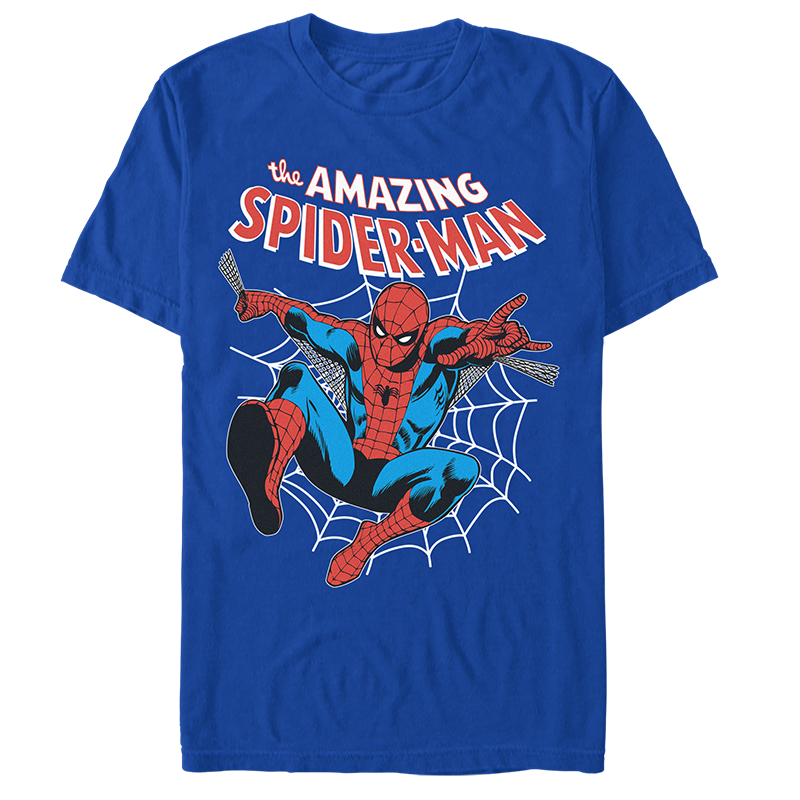
Attendees, volunteers, and staff! You can donate anytime after June 1 (April 1 for double-reds) at any San Diego Blood Bank Donor Center. Ask for a certificate of donation. Tell them your donation is for Comic-Con, and the group code is: CCON
During Comic-Con 2027, bring your certificate to the Robert A. Heinlein Blood Drive at the Hyatt, pick up your free T-shirt and giveaways, then see if you have won one of the many special prizes donated to the blood bank! Sorry, only one certificate per person will be accepted.
Robert A. Heinlein’s 1951 novel, Between Planets, helped popularize the phrase “Pay It Forward.” Please make it a point to pay it forward in 2027 and save people’s lives at our 51st Robert A. Heinlein Blood Drive.
¡ENCUENTRE TIEMPO PARA SALVAR UNA VIDA! ¡DONA!
A Brief History of Comic-Con’s
Robert A. Heinlein Blood Drive
Para los aficionados a la ciencia ficción, pocos nombres fueron tan estelares como Robert A. Heinlein. Desde Starship Troopers hasta Stranger in a Strange Land, Heinlein fue el decano de los escritores de ciencia ficción. Desgraciadamente, rara vez asistía a convenciones, por lo que sus lectores tenían pocas oportunidades de conocer al maestro en persona.
Then, in the early 1970s, Heinlein had a life-threatening illness and needed many pints of a rare blood type. He felt he owed his life to the donors, so when asked to be a guest at the 1976 Worldcon in his hometown of Kansas City, he agreed—but with one specific stipulation: that he would only sign autographs for people who donated blood.
Thus, longtime Comic-Con committee member Jackie Estrada approached the author with an offer to hold a blood drive in San Diego if he would consent to be a guest. He agreed, and in 1977 Heinlein came to Comic-Con. He and his wife, Ginny, had a great time, and Heinlein even drew a picture for the Sunday morning Art Auction.
“David Scroggy [who went on to be a VP at Dark Horse Comics before he retired] was the first blood drive coordinator,” recalls Estrada. “We also had Theodore Sturgeon there signing his book, Some of Your Blood, which he gave to all of the blood donors. We also had entertainment for the people while they were [donating blood]. I remember that Leslie Cabarga played the piano, and C. C. Beck played the guitar. It was a very fun event, and Robert was delighted. We’ve had the blood drive every year since.”
Breve historia de Robert A. Heinlein
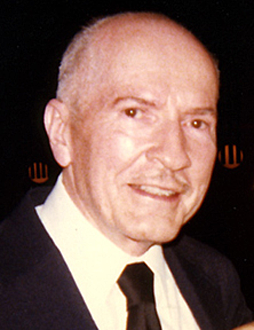
Robert Anson Heinlein (July 7, 1907 – May 8, 1988) was one of the most popular and respected science fiction authors of the 20th century. By setting a high standard for science and engineering plausibility, he helped raise the genre’s standards of literary quality. He was the first writer to break into mainstream magazines such as the Saturday Evening Post in the late 1940s with unvarnished science fiction. He was also among the first authors of bestselling novel-length science fiction in the modern mass-market era.
Cuatro de las novelas de Heinlein(Double Star, Starship Troopers, Stranger in a Strange Land y The Moon Is a Harsh Mistress) ganaron premios Hugo en los años en que fueron publicadas. En 2001, otra novela(Farmer in the Sky) y una novela corta(The Man Who Sold the Moon) recibieron "Retro Hugos" correspondientes al año 1951, y la película Destino Luna, basada en un relato de Heinlein, recibió el "Retro Hugo" a la Mejor Presentación Dramática.
Fue el primer escritor en ser nombrado Gran Maestro por la Science Fiction Writers of America por sus logros a lo largo de su vida.
Heinlein era conocido como el "decano de los escritores de ciencia ficción", pero era mucho más. Fue un filántropo que ayudó a muchas causas benéficas y a muchas personas. Cuando le preguntaban cómo se le podía devolver su ayuda, respondía: "No puedes devolvérmela, tienes que devolverla".
One cause that was of great importance to him was blood donation. Having a rare blood type himself (AB+), he was a frequent donor and a supporter of the National Rare Blood Club, which was an integral part of his novel I Will Fear No Evil. In 1976, at the 34th World Science Fiction Convention in Kansas City, he helped organize the first of many science fiction convention blood drives. In 1977, he did the same at San Diego Comic-Con.
2026 marked the 50th year of the Robert A. Heinlein Blood Drive as an integral part of Comic-Con, and the 18th year of the WonderCon Robert A. Heinlein Memorial Blood Drive.
Breve historia del Banco de Sangre de San Diego
En 1950 se creó el Banco de Sangre de San Diego con el apoyo de la Sociedad Médica del Condado de San Diego. La previsión y dedicación de los padres fundadores, el Dr. Thomas O'Connell y el Dr. Frederick G. Hollander, nos llevaron al Banco de Sangre de San Diego de hoy, una organización conocida por la excelencia en su servicio a nuestra comunidad.
De 1950 a 1953, las donaciones anuales alcanzaron una media de 27.000 pintas en el condado de San Diego. En la década de 1960, el Banco de Sangre de San Diego siguió creciendo y también lo hicieron las donaciones, llegando a donar casi 40.000 pintas anuales en 1969. A finales de los 60, también estuvimos a la vanguardia de la tecnología médica cuando fuimos uno de los primeros bancos de sangre de California en instituir el cribado de hepatitis en toda la sangre donada.
La década de 1970 marcó el comienzo de una era de enorme desarrollo. Nuestra emblemática sede de Hillcrest se inauguró en 1972 y nuestro primer centro satélite, el Centro de Donantes del Norte del Condado, abrió sus puertas en Escondido en 1978.
En 1981 fuimos uno de los primeros bancos de sangre del país en formalizar un programa de donantes designados, que permite a los pacientes seleccionar a sus donantes. Nuestro programa de donantes autólogos también se puso en marcha hace más de 30 años para pacientes que desean depositar previamente su sangre para una intervención quirúrgica programada.
En 1986, las donaciones alcanzaron las 86.000 pintas anuales y desde hace muchos años superan las 100.000.
Algo que no ha cambiado desde el principio es el notable compromiso y el espíritu desinteresado de nuestro recurso más vital: los donantes de sangre. Desde 1974, todos nuestros donantes son voluntarios. Algunos de los donantes actuales tienen sólo 17 años y casi la mitad son mujeres.
El Banco de Sangre de San Diego está autorizado por el Departamento de Servicios Sanitarios del Estado de California y por la Administración Federal de Alimentos y Medicamentos (FDA). Es miembro plenamente acreditado de la Association for the Advancement of Blood & Biotherapies (AABB) y miembro de la California Blood Bank Society (CBBS), America's Blood Centers (ABC), Blood Centers of America (BCA), Blood Centers of California (BCC), y es el registro local de sangre de cordón umbilical para el National Marrow Donor Program (NMDP).